
Six prices, three different kinds of purchase
San Quentin 2 separates a base stake from the complete cost of the selected action. The base stake sets symbol values. A booster or feature purchase multiplies the amount charged when a paid round starts. Both numbers can remain on screen together, so the smaller BET value is not enough to tell you what you are about to spend.
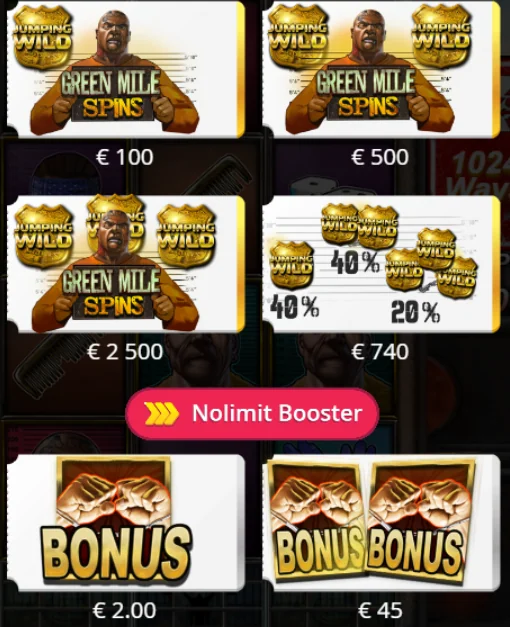
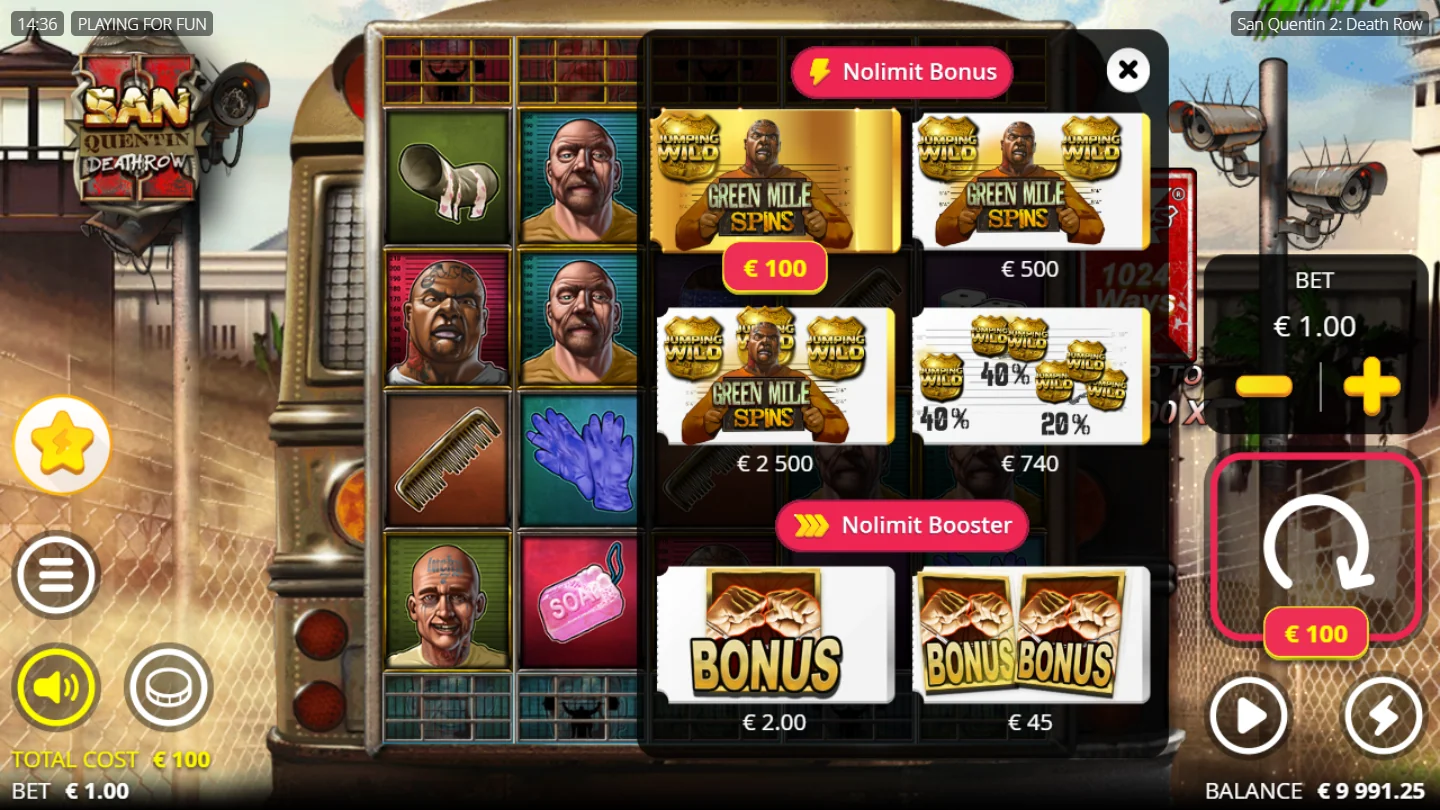
Our own capture shows six choices in the lightning menu: two boosters, three direct Green Mile Spins entries and Lucky Draw. The menu was recorded at a €1 base stake on 4 November 2026. The client identified itself as version 1.1.28-battlenopixi.9. Another configuration must be checked in its own rules; the following prices describe this one.
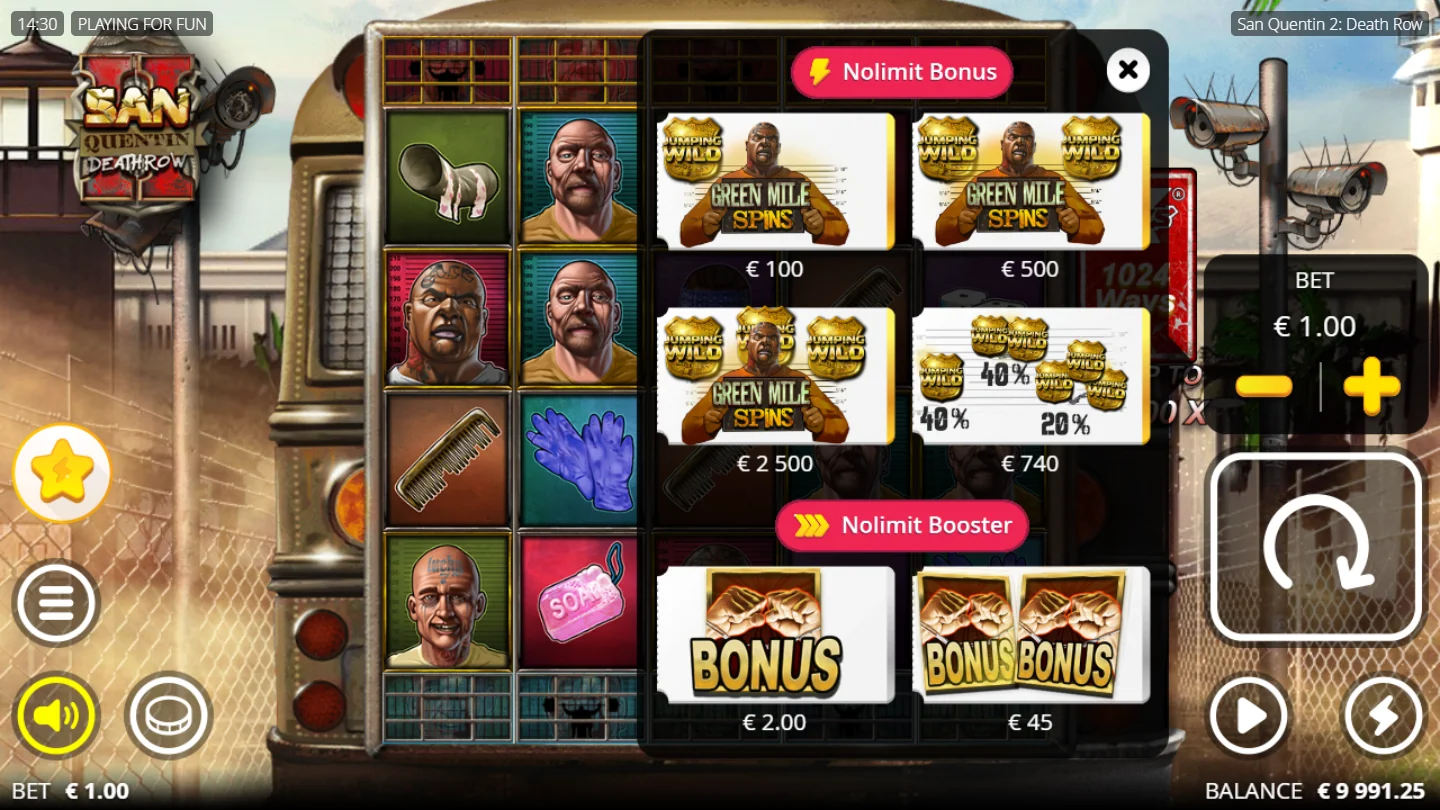
| Option | Cost × base | At €0.20 base | At €1 base | Entry condition |
|---|---|---|---|---|
| xBet 1 | 2× | €0.40 | €2 | One guaranteed Bonus symbol |
| xBet 2 | 45× | €9 | €45 | Two guaranteed Bonus symbols |
| 3 Bonus | 100× | €20 | €100 | One starting Jumping Wild |
| 4 Bonus | 500× | €100 | €500 | Two starting Jumping Wilds |
| 5 Bonus | 2,500× | €500 | €2,500 | Three starting Jumping Wilds |
| Lucky Draw | 740× | €148 | €740 | Draw between the three starting-wild entries |
The price jumps are substantial. Moving from the 3 Bonus purchase to the 4 Bonus purchase multiplies cost by five. Moving from 4 Bonus to 5 Bonus multiplies it by five again. Those are changes in the starting feature condition, not five times as many guaranteed profitable rounds. One expensive entry can still return less than its price.
Use the cost calculator if the displayed currency or base stake makes the comparison hard to follow. It multiplies the selected stake by the chosen price and calculates net result from an entered return. It does not know the next outcome, generate a bonus or recommend a budget.
What the 2× and 45× boosters guarantee
xBet 1 guarantees one Bonus symbol at twice the ordinary base cost. In the main game, one or two Bonus symbols become Wilds and open the Enhancer Cells on their reels. That is the immediate mechanism you are purchasing. More symbols may make the round different, but the one-symbol guarantee does not meet the three-symbol free-spin trigger by itself.
xBet 2 guarantees two Bonus symbols at 45 times the base stake. It therefore begins closer in symbol count to the three-Bonus trigger, but the delivered rule does not promise the third symbol on every spin. Treating the €45 option as a discounted guaranteed €100 feature would be a wrong comparison. They have different conditions and separate RTP figures.
The two boosters are not equal-step upgrades. At a €1 base stake, xBet 2 costs €43 more than xBet 1 and 22.5 times its complete price. A player looking only at the names “1” and “2” could miss that difference. Read the price shown on the spin control after activation, not just the number in the mode name.
Their configured theoretical RTP values are 96.00% and 96.22% respectively. That 0.22-percentage-point difference does not offset the much larger amount exposed by each second-booster start. On an illustrative €100 of turnover, the corresponding theoretical shortfalls are €4.00 and €3.78. On one actual round, the result can be very different. The RTP guide explains why cost and percentage need to be read together.
One, two or three starting Jumping Wilds
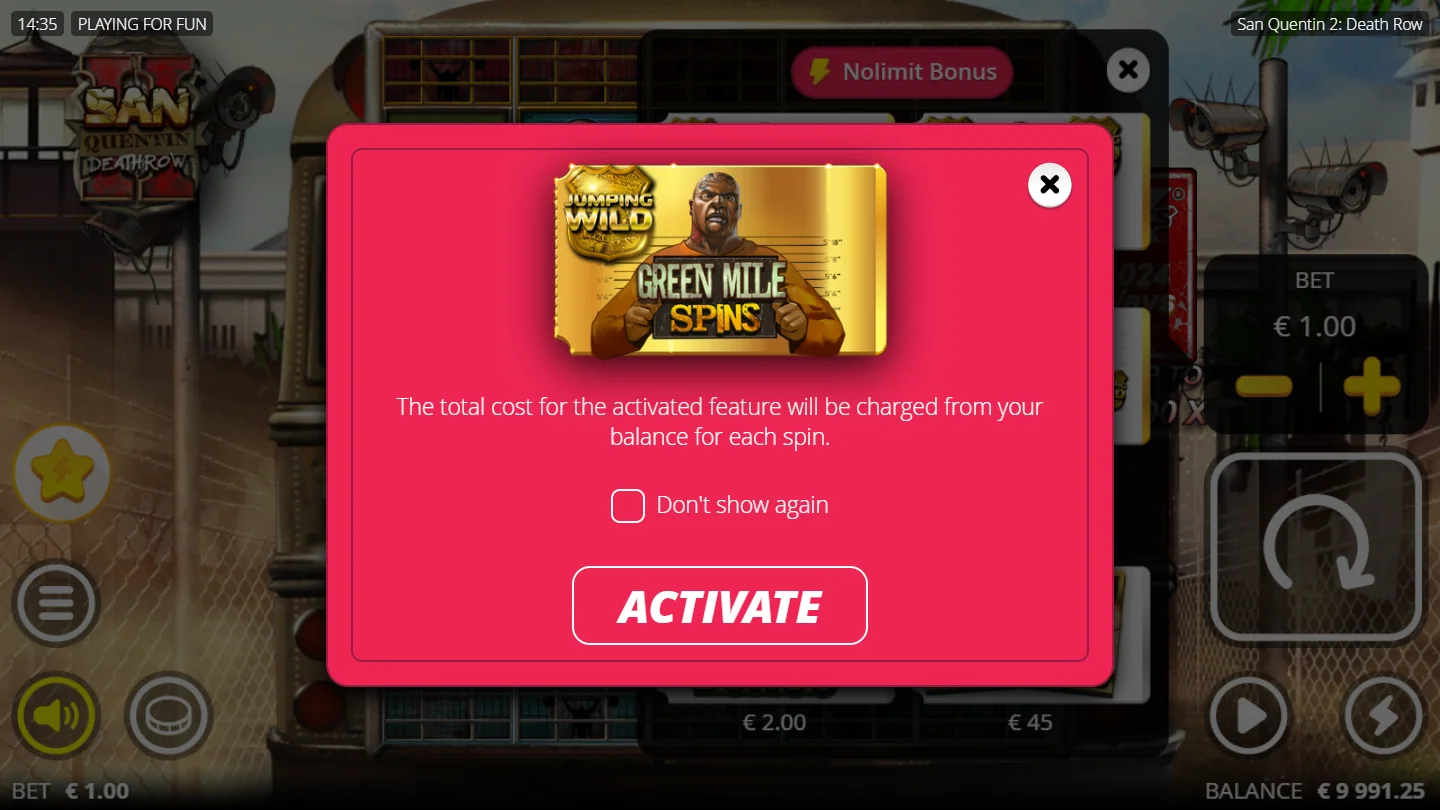
The 100× entry corresponds to three Bonus symbols and one starting Jumping Wild. That opens Enhancer Cells on three reels when the feature starts. The 500× entry begins with two Jumping Wilds and four active reels. The 2,500× entry begins with three Jumping Wilds and all five reels active. The count refers to the starting condition, before the Chance decision and later feature interactions.
More starting Wilds make a meaningful mechanical difference: they provide more persistent moving Wild positions and activate more reels. However, the purchased number is not a guarantee of a particular final multiplier, payout or net result. The Wilds still move, the symbols still resolve and the complete feature can finish below its entry price.
Before the free spins, Chance allows the current award to be retained or an additional Jumping Wild to be attempted at the risk of losing five spins. The maximum is five Jumping Wilds. The fourth and fifth awarded Wild start with a 2× multiplier. Once five Wilds have been reached, the offered gamble can be for the maximum win against losing five spins.
The game-specific rule says that optimal RTP is achieved by never choosing Collect in Chance. That is relevant when comparing published RTP values. It does not tell us the exact success probability of each draw, and it does not turn an individual draw into a sensible way to recover an earlier loss. Our purchase attempt did not settle, so no completed Chance sequence was recorded.
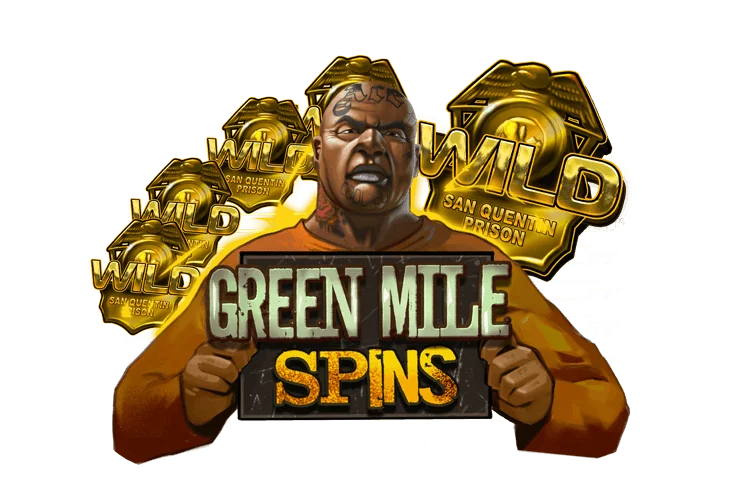
Inside the feature, Jumping Wilds move each spin. A Razor Split interaction can double a Wild’s multiplier and preserve that increase through the remaining free spins. New Bonus symbols can open closed Enhancer Cells and become Jumping Wilds, while multiple Bonus symbols can add spins. The detailed illustrated rules explain which positions change.
A purchased entry and the spins it awards belong to one complete paid round for accounting. Do not count each free spin as another €100 purchase, and do not stop the record on the first attractive payout screen. The full return must include the entire settled feature. Only then can it be compared with the complete entry cost.
Lucky Draw: the menu shows 40% / 40% / 20%
The Lucky Draw card in our captured menu cost 740×. Its artwork labels the one-, two- and three-Jumping-Wild entries with 40%, 40% and 20% respectively. Those are displayed selection weights, not frequencies measured from our gameplay. We did not buy a series of Lucky Draw entries to test that distribution.
There is a useful arithmetic check on the price. Weighting the three direct-entry prices by those percentages gives 0.40 × 100 + 0.40 × 500 + 0.20 × 2,500 = 740. Thus the displayed random-entry price matches the weighted average of those ticket prices. This does not prove that all ticket outcomes have the same value to a player, or that mixing other modes reproduces Lucky Draw’s RTP.
For a €0.20 base stake, the draw costs €148. If it selects the one-Wild starting condition, that does not retroactively reduce the charge to the €20 direct-entry price. You paid for the draw. Conversely, selecting the three-Wild condition does not mean you have already won the €500 direct price as cash. It identifies a feature starting condition, whose actual payout still has to settle.
The delivered rules state 96.23% RTP for Lucky Draw. Use that mode-specific figure rather than averaging the three direct-entry percentages yourself: the exact game mathematics and Chance policy matter. A menu weight and a ticket price alone do not provide the complete distribution of feature payouts.
If your game displays another price, pause the comparison and record its exact title, base stake and rules. Do not assume a different price is a bonus offer or a better bargain. It may reflect a different configuration or stale information elsewhere. Our calculator deliberately labels the 740× value as the captured configuration.
Three examples that separate a return from a profit
The following examples are arithmetic, not observed wins. Their purpose is to prevent the most common feature-buy mistake: treating the entire return as profit while forgetting the entry price. The formula is return minus complete cost. Neither the size of the win animation nor the smaller base-stake label changes that subtraction.
| Hypothetical action | Cost | Return | Net |
|---|---|---|---|
| 3 Bonus at €1 base | €100 | €70 | −€30 |
| 3 Bonus at €1 base | €100 | €140 | +€40 |
| Lucky Draw at €0.20 base | €148 | €200 | +€52 |
The second example is profitable for that one completed entry, but it does not imply that repeated €100 purchases earn €40 each. A positive outcome is one possible event. A long-run RTP below 100% describes a different question: the aggregate theoretical return relative to turnover over a very large set of plays under the relevant policy.
The maximum 200,000× prize is based on the base stake, not the amount paid for a feature. At a €1 base stake, multiplying 200,000 by a €2,500 feature price would be an incorrect €500 million claim. The arithmetic cap remains €200,000 at that base stake. The No Escape rule ends the feature when the cap is reached.
It also helps to count exposure before any returned money is recycled. A €100 amount covers five €20 direct entries at a €0.20 base stake if each is considered without reusing payouts. It does not cover one €148 Lucky Draw. That statement is simple division, not a recommended bankroll or a prediction of how long play will last.
What we actually activated, and what remains untested
We opened the menu, selected the 100× entry at a €1 base stake, accepted its activation dialog and captured the resulting €100 TOTAL COST label. The next spin attempt returned SessionException 1007. The client briefly showed €100 deducted, but no settled game response or completed bonus followed. It is an unconfirmed attempt, not a €100 recorded loss and not a completed Green Mile example.
The ten ordinary spins recorded before that attempt are separate: €10 total cost, €1.25 returned and −€8.75 net. None triggered a natural free-spin feature. They provide useful control and balance examples, but do not demonstrate any of the paid feature’s payout distributions. We have kept the failed attempt outside that completed-round table.
For practice, compare the menus and calculate prices before activating a mode. If the session fails, do not repeatedly click a high-cost control. Check whether the game has supplied a result and whether the balance can be reconciled. The round record explains the completed sample; the demo page provides the normal provider launch route.
Availability is a separate issue from game mechanics. The provider’s demo settings do not establish that an operator accepts Finnish residents or offers bonus purchases to them. Check the exact operator and applicable conditions before opening an account. This guide does not operate the slot or hold a player balance.
Three checks before activating a mode
First, compare the boosters before using them to inspect extra-cell behaviour. At a €0.20 base stake, xBet 1 costs €0.40 and xBet 2 costs €9. Their difference is €8.60 per paid start. Both can involve the cell mechanics, but understanding the animation does not require assuming that the more expensive starting condition is profitable.
Second, compare the cheapest direct entry with Lucky Draw on the same base stake. At €0.20, they cost €20 and €148. The draw is 7.4 times the direct price and can still select the one-Wild entry, shown as 40% on its card. A larger charge does not by itself guarantee a higher starting class.
Third, imagine a screenshot showing a €100 return. Without its cost, you cannot determine profit. A €1 ordinary start would leave +€99; a €100 feature entry would break even; a €740 Lucky Draw would leave −€640. The return number is identical in all three examples. The complete paid action changes the conclusion.
Also distinguish a feature purchase from an operator promotion. “Bonus buy” here means a priced action inside the game, not a deposit bonus or a registration reward. The Green Mile entry price tells you nothing about a separate promotion’s wagering requirements. Likewise, a payout during free spins may be only one child result; compare the full feature return with the original entry price after settlement.
Check TOTAL COST again after changing the base stake or finishing a feature. At the same 100× setting, moving BET from €0.20 to €1 raises the entry cost from €20 to €100. The mode name has not changed, but the charge has increased fivefold. These visible-price checks remain useful even when the demo is temporarily unavailable.